Restaurant Packaging Supplier for Quick-Serve Chains: Speed Meets Heat Retention
The Drive-Thru Dilemma
It’s 6:30 p.m. on a crisp Friday evening. Outside, the drive-thru line snakes around the block—a steady parade of glowing headlights and hungry commuters eager for a fast, comforting meal to end their week. Inside the kitchen, a symphony of orchestrated chaos is underway. The team hustles with practiced precision: patties sizzle on the flattop, golden fries tumble from the fryers, and sodas are capped in rapid succession. Everything runs at peak efficiency.
But lurking at the final stage of this well-oiled machine is a critical vulnerability: the packaging.
A customer pulls up to the window, exchanges a quick smile with the cashier, grabs their seemingly perfect, piping-hot meal, and drives off into the night. When they arrive home, they set the bag on the kitchen counter and eagerly reach inside. Instead of the culinary triumph that left the kitchen, they find a tragically altered meal. The fries, once crisp and perfectly salted, are now soggy. A rogue sauce cup has surrendered its lid, pooling sticky barbecue sauce at the bottom of the bag. The burger—the star of the show—sits at an unappetizing lukewarm.
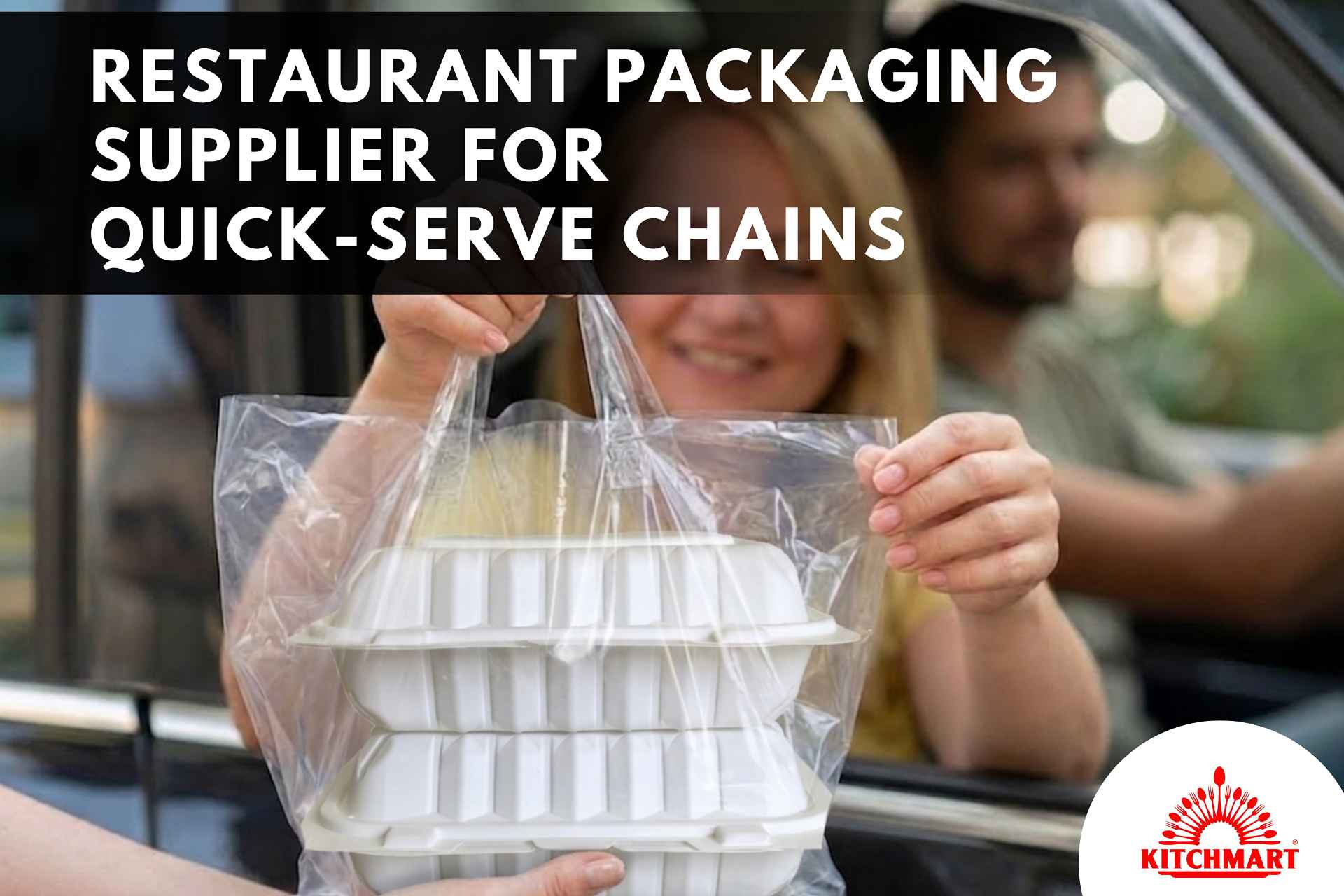
That moment—when high-spirited anticipation devolves into quiet frustration—is the silent killer of customer loyalty in the fast-food industry. For quick-serve and drive-thru chains, operational speed is the baseline expectation. But speed without quality retention? That’s a guaranteed recipe for lost repeat business.
A Story from the Front Line:
The High Cost of the Commute
To truly grasp the gravity of this issue, consider the experience of a rapidly expanding regional fast-food chain. Their business model was a runaway success, fueled by a signature menu of southern-style fried chicken and savory side dishes. Drive-thru takeaway volume was booming, shattering sales records quarter after quarter.
Yet a troubling trend began to surface in customer feedback. Complaints about food arriving cold, messy, or inedible were piling up at an alarming rate.
The chain’s operations manager recalled one incident that became a wake-up call for the entire executive team:
“We had a loyal customer who placed a sizable order for a family dinner—our premium fried chicken, mashed potatoes, and signature southern gravy. By the time they drove the four miles home, disaster had struck. The thin, generic plastic containers had warped under the heat. The gravy had breached its lid, soaking through the paper bag and coating the napkins. The chicken had lost its crunch and dropped to room temperature. The customer called us directly. They said they absolutely loved our food when dining in, but they simply couldn’t trust it to survive the journey home.”
That feedback stung. It was a harsh realization: no matter how meticulously the chicken was seasoned or how efficiently drive-thru times were managed, inadequate packaging was sabotaging the end-user experience. A premium product was being delivered in a subpar vessel.
The leadership team knew they had to pivot. They launched an intensive search—not for generic cardboard boxes and paper bags, but for a specialized restaurant packaging supplier. They needed a partner who understood the unique, high-stakes demands of quick-serve environments: lightning-fast assembly, superior heat retention, and flawless drive-thru handoffs.
Why Packaging Matters Far More Than You Think
In today’s culinary landscape, packaging is far more than a disposable container. It is the crucial bridge between your kitchen’s pass and your customer’s dining table. Packaging acts as an extension of your brand, a protector of your product, and a silent ambassador of your quality standards.
Here’s why investing in the right packaging architecture is non-negotiable:
1. Heat Retention and Food Integrity
Customers expect food to arrive at the right temperature—burgers hot, fries crisp. The challenge lies in keeping meals warm without compromising texture. Standard, thin packaging often fails: heat escapes quickly, leaving food lukewarm and disappointing. Purpose built containers, made with thicker walls and mineral filled materials, help preserve warmth and protect food quality during transit. The result? Meals that maintain their appeal from kitchen to customer, with packaging strong enough to safeguard both temperature and structure.
2. Anti-Leak Design and Structural Integrity
Sauces, gravies, dressings, and natural meat juices are notorious for escaping their containers. A leak isn’t just inconvenient—it’s brand-damaging. Ruined car upholstery or stained clothing can overshadow the memory of a delicious meal. Leak-proof packaging, with precision-engineered snap lids, reinforced seams, and moisture-resistant linings, protects both your reputation and your repeat sales.
3. Speed-Friendly Ergonomics
In a high-octane drive-thru environment, every second matters. Staff don’t have time to wrestle with flimsy boxes or tabs that refuse to lock. Packaging must be intuitive and efficient. Auto-pop-up boxes, pre-folded trays, and secure-fit lids empower staff to pack meals quickly and confidently, shaving precious seconds off handoff times.
4. Strategic Cost Efficiency
Margins in the quick-serve sector are notoriously tight. While upgrading packaging requires investment, it must also make financial sense. Bulk solutions that balance premium quality with affordability are essential. Superior packaging reduces hidden costs—fewer refunds, fewer comped items due to spills, and less time wasted on remakes.
The Turning Point: Precision Meets Performance
The regional chain eventually partnered with a specialized supplier dedicated exclusively to quick serve and fast casual outlets.
Once rolled out to the franchises, the operational difference was night and day:
- Thermal Support: Burgers, chicken, and hot meals stayed warmer for longer, supported by durable food and soup containers designed to preserve heat during transit.
- Texture Protection: Side items such as fries and onion rings were better maintained, with packaging that reduced sogginess and helped preserve quality.
- Zero Compromise: Gravies, soups, and sauces remained secure, sealed in leak‑resistant containers that prevented spills and protected the customer experience.
- Operational Flow: The bagging station became a stress‑free zone. Staff could assemble, pack, and hand off meals with smooth, uninterrupted motions.
The ultimate validation, however, came from the end consumer. Online reviews underwent a massive transformation. The one‑star complaints about messy bags vanished, replaced by glowing five‑star commendations. Customers were actively noticing the upgrade, leaving comments like: “I don’t know what they changed, but finally, my food is still piping hot and perfectly good when I get home!”
Benefits Beyond the Box: The Ripple Effect
When your packaging strategy aligns seamlessly with your operational goals, life gets exponentially easier for everyone involved. The return on investment extends far beyond the physical materials:
- Cultivating Happier Customers: Consistently delivering hot, fresh, and pristine meals builds a foundation of profound trust. That trust translates directly into brand loyalty and increased lifetime customer value.
- Accelerated Turnover and Morale: When staff spend less time apologizing for spills or fighting with stubborn lids, they can focus on what matters: smiling, serving, and moving the line. Improved workflow dramatically boosts employee morale.
- Elevated Brand Reputation: A flawless drive‑thru handoff, supported by sturdy, FDA‑compliant containers from Kitchmart Trading Corp, reinforces professionalism and reliability. It signals to customers that you care about their dining experience even after they leave your property, with packaging engineered to protect food quality and maintain trust.
- Drastic Reduction in Waste: Upgrading to stronger, purpose-built packaging means fewer structural failures on the line, fewer spilled orders that need to be completely remade, and ultimately, a healthier bottom line.
The Executive Checklist:
Choosing the Right Supplier
If you are operating a fast casual brand, a drive thru, or a quick serve takeover concept, evaluating your current packaging should be a top priority. When seeking a new packaging partner, look for a supplier that can definitively check these boxes:
- Proven Industry Expertise: Do they have a track record of solving fast‑food and quick‑serve challenges, rather than just providing generic catering supplies?
- Scalability and Economics: Can they provide dependable, high‑volume bulk options that balance premium quality with strict cost efficiency?
- Operational Alignment: Does their product design actively support speed of service, ergonomic packing, and reliable heat retention?
The Friendly Next Step
Your culinary team works tirelessly to source the best ingredients, perfect recipes, and execute every order with speed and precision. Your food is exceptional—and it deserves packaging that works just as hard as your team does.
Don’t let a soggy carton of fries or a messy paper bag become the lasting impression your customers take away from your brand. By optimizing the transit experience, you bridge the gap between your kitchen’s high standards and your customer’s dining table.
Take control of your customer’s off‑premise dining experience today. Request a comprehensive packaging quote and consultation. Discover firsthand how partnering with the right supplier can transform your drive‑thru operations, protect your product, and drive repeat business to new heights.
Request a packaging quote today and discover how the right supplier can transform your drive-thru experience.